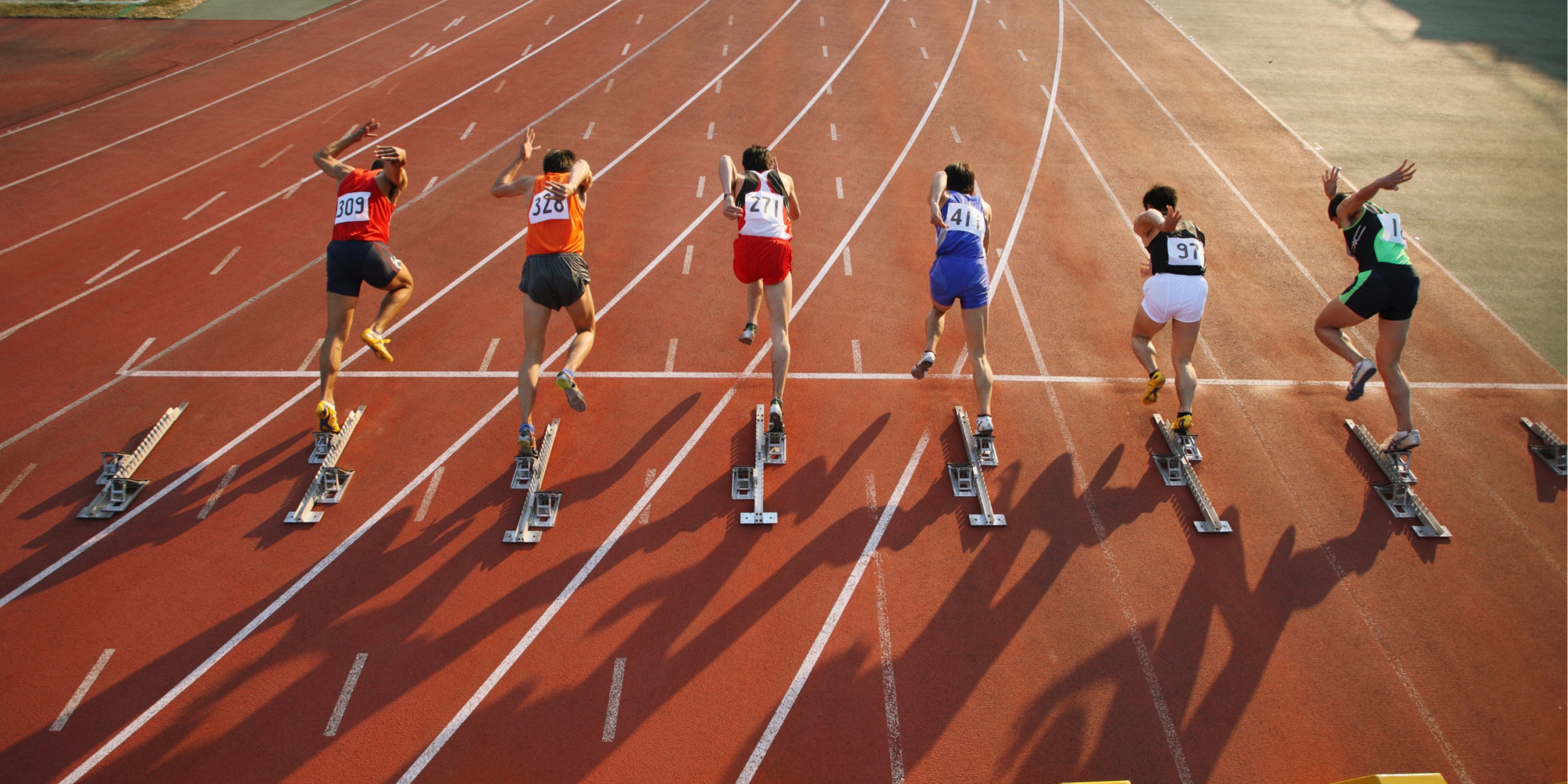

When most athletes think about improving performance, they focus on physical training.
Strength workouts build power. Conditioning improves endurance. Skill drills sharpen technique. Recovery routines help muscles repair and prepare for the next challenge.
All of these components are essential.
But modern sports science has increasingly revealed something important:
Elite athletic performance does not start in the muscles. It starts in the brain.
Every movement an athlete makes begins as a signal inside the brain.
Before a baseball player swings the bat, the brain must track the ball leaving the pitcher’s hand, calculate speed and trajectory, and decide when to initiate the swing. Before a basketball player drives to the basket, the brain must read the defense, predict movement, and coordinate balance, timing, and reaction.
Even movements that appear automatic rely on rapid neural processing.
The brain constantly processes visual information, predicts motion, coordinates muscle timing, and regulates emotional responses during high-pressure situations.
If the brain processes information even a fraction of a second faster, the body can react faster as well.
In competitive sports, that small difference can be the margin between success and failure.
A quarterback who reads the defense faster can release the ball earlier.
A tennis player who reacts faster can reach a shot that would otherwise be missed.
A baseball hitter who processes pitch movement faster can make better contact.
Because of this, many high-performance programs now emphasize brain optimization alongside physical training.
Athletes are beginning to recognize that improving cognitive performance—focus, reaction speed, mental endurance, and stress resilience—can have a powerful effect on physical performance.
This is where technologies like brain mapping and neurofeedback are entering the world of elite athletics.
Through neurofeedback brain training, it is possible to measure the brain’s electrical activity and train the neural systems responsible for attention, reaction time, and mental control.
The brain communicates through electrical patterns known as brainwaves. These patterns influence how quickly the brain processes information, how well attention is maintained, and how effectively the brain regulates stress.
When these patterns become more efficient, athletes often experience improvements in several performance-related areas.
These can include:
- faster reaction time
- sharper visual processing
- improved sustained focus
- better emotional control under pressure
- increased cognitive endurance during long competitions
At Neurawave Brain Training, athletes and high performers train these neural systems using a structured approach that combines brain mapping and neurofeedback technology.
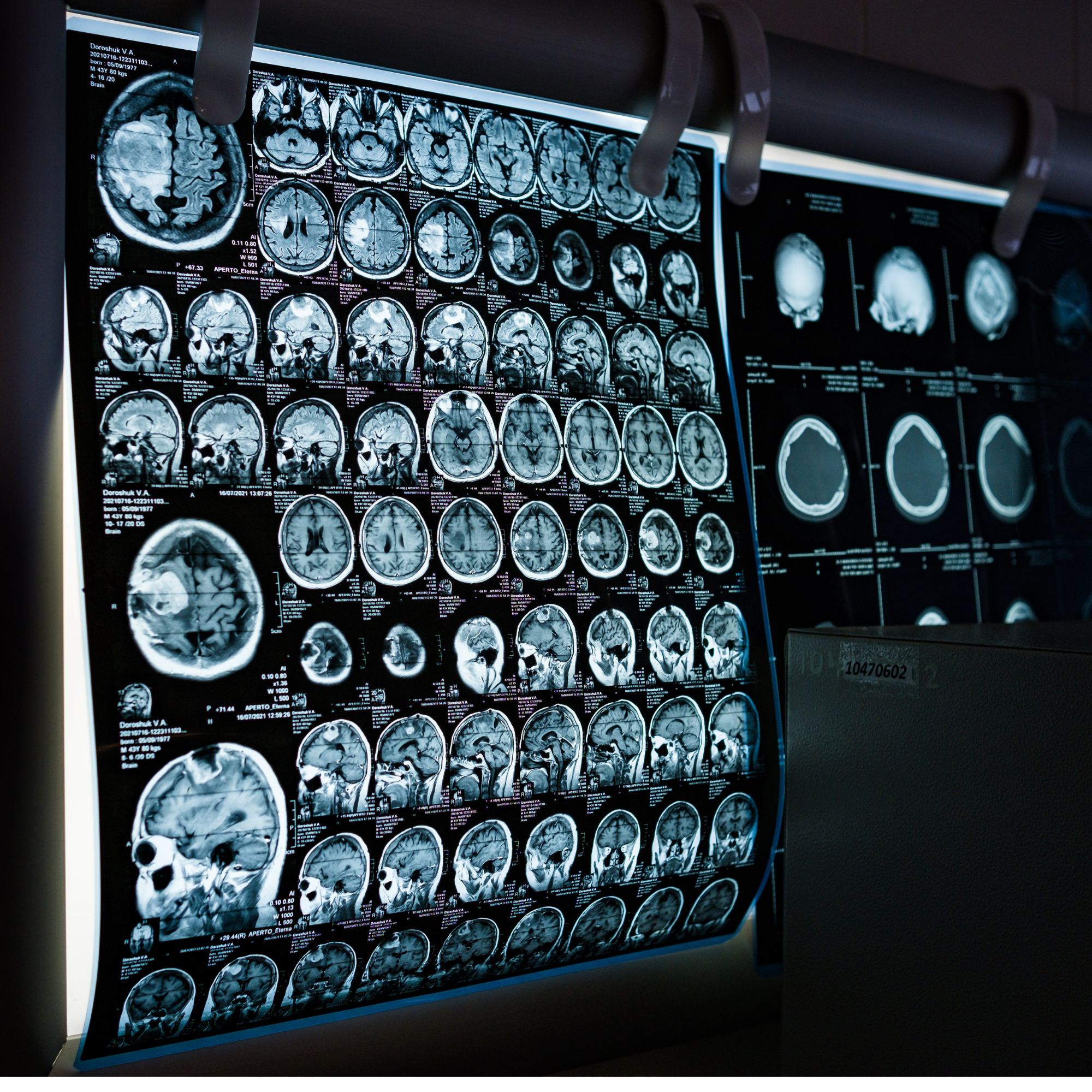
The process begins with brain mapping, which analyzes how different regions of the brain communicate and how efficiently the brain processes information.
This data allows practitioners to identify areas where neural efficiency can be improved.
Once these patterns are understood, targeted brain training can begin.
At Neurawave, this process follows the N.E.U.R.O.™ brain optimization protocol, a structured framework that includes neural mapping, customized neurofeedback training, reassessment, and lifestyle integration designed to support long-term cognitive performance. Neurawave Rack Card High Resolu…
During neurofeedback sessions, sensors placed on the scalp measure the brain’s electrical activity in real time. These sensors simply read the brain’s signals—they do not send electricity into the brain.
When the brain produces patterns associated with improved focus and regulation, the system provides immediate feedback through visual or auditory cues.
Over repeated sessions, the brain learns to maintain these more efficient patterns.
This learning process strengthens the neural systems responsible for:
- focus and sustained attention
- reaction speed
- decision-making under pressure
- emotional resilience during competition
These improvements can have a measurable impact on athletic performance.
Reaction time, for example, is one of the most important cognitive components of many sports. Even a small improvement in neural processing speed can translate into quicker movements, better anticipation, and improved accuracy.
But brain training also affects another critical component of elite performance: mental resilience.
Athletes frequently face intense pressure during competition. Crowds, expectations, and high-stakes moments can activate the brain’s stress response.
When the brain shifts into a high-stress “fight or flight” state, focus and precision can suffer.
Training the brain to maintain calm, regulated activity patterns allows athletes to stay composed and mentally clear during critical moments.
Instead of becoming overwhelmed by pressure, the brain remains focused on the task at hand.
This ability to remain calm under pressure is one of the defining traits of elite performers.
Professional sports organizations and high-performance programs have increasingly recognized the importance of cognitive training.
Athletes across multiple sports—including football, basketball, tennis, and combat sports—are incorporating brain training techniques into their development programs.
The goal is not only to become physically stronger, but also mentally faster and more resilient.
For younger athletes, this can also translate into improved learning and skill development.
Sports require constant adaptation—reading the game, anticipating movement, and adjusting strategies in real time. Strengthening the brain’s attention and processing networks can help athletes absorb coaching instructions more effectively and execute techniques more consistently.
Families interested in exploring how brain optimization supports athletic performance can learn more about Neurawave brain training programs and how neurofeedback helps athletes strengthen the neural systems responsible for focus, reaction speed, and mental endurance.
As sports science continues to evolve, one thing has become increasingly clear:
Physical training alone is no longer enough to reach the highest levels of performance.
The athletes who gain the greatest advantage are those who train both the body and the brain.
Because in elite competition, the fastest muscles often belong to the athlete with the fastest brain.