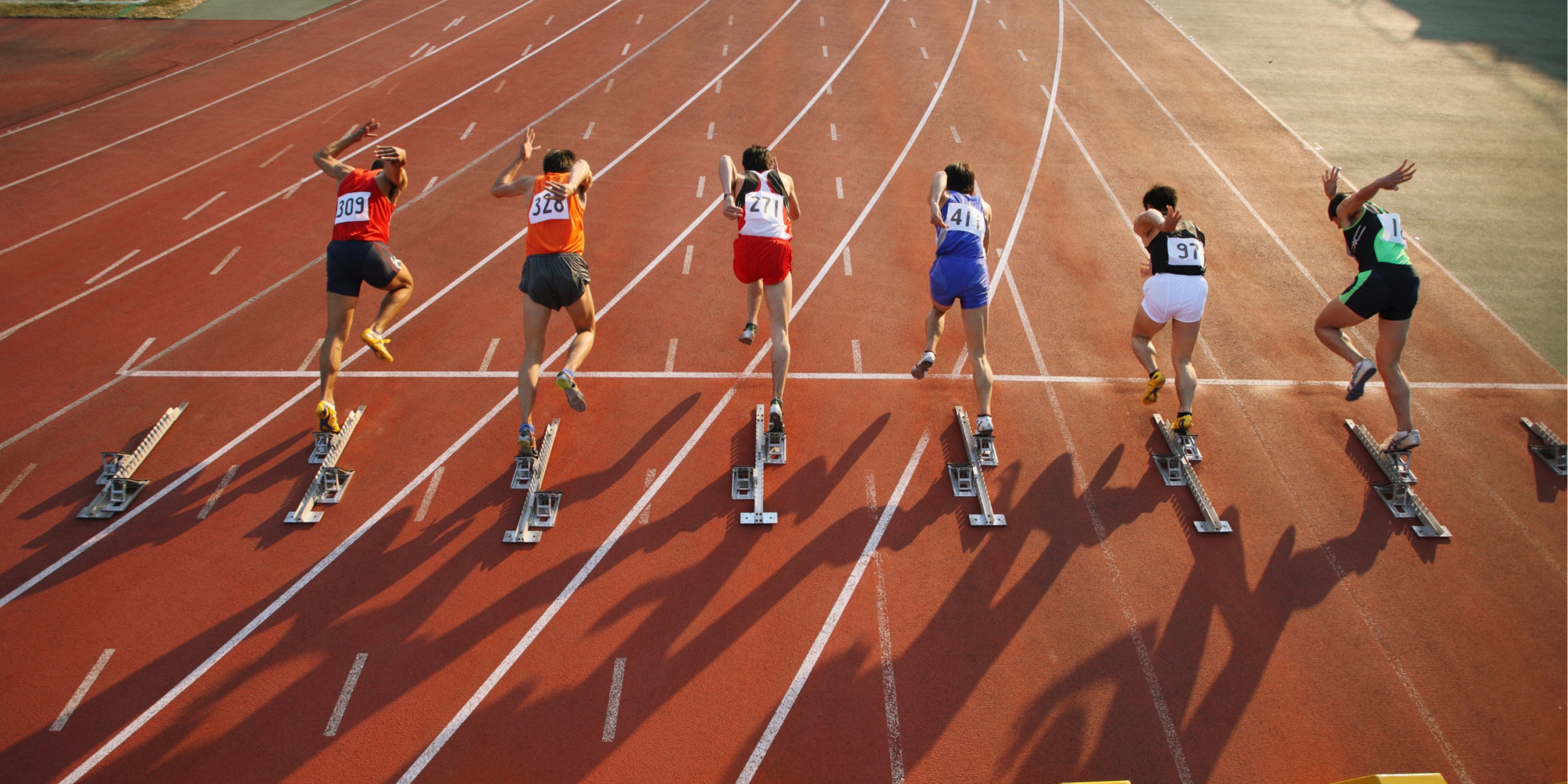
When athletes begin working on improving physical performance, one of the first steps is assessment.
A strength coach may measure speed, agility, flexibility, and power. Trainers analyze movement patterns, endurance levels, and areas that need improvement. These measurements provide a baseline and help design a training plan tailored to the athlete.
Brain optimization follows a very similar principle.
Before training begins, it is important to understand how the brain itself is functioning.
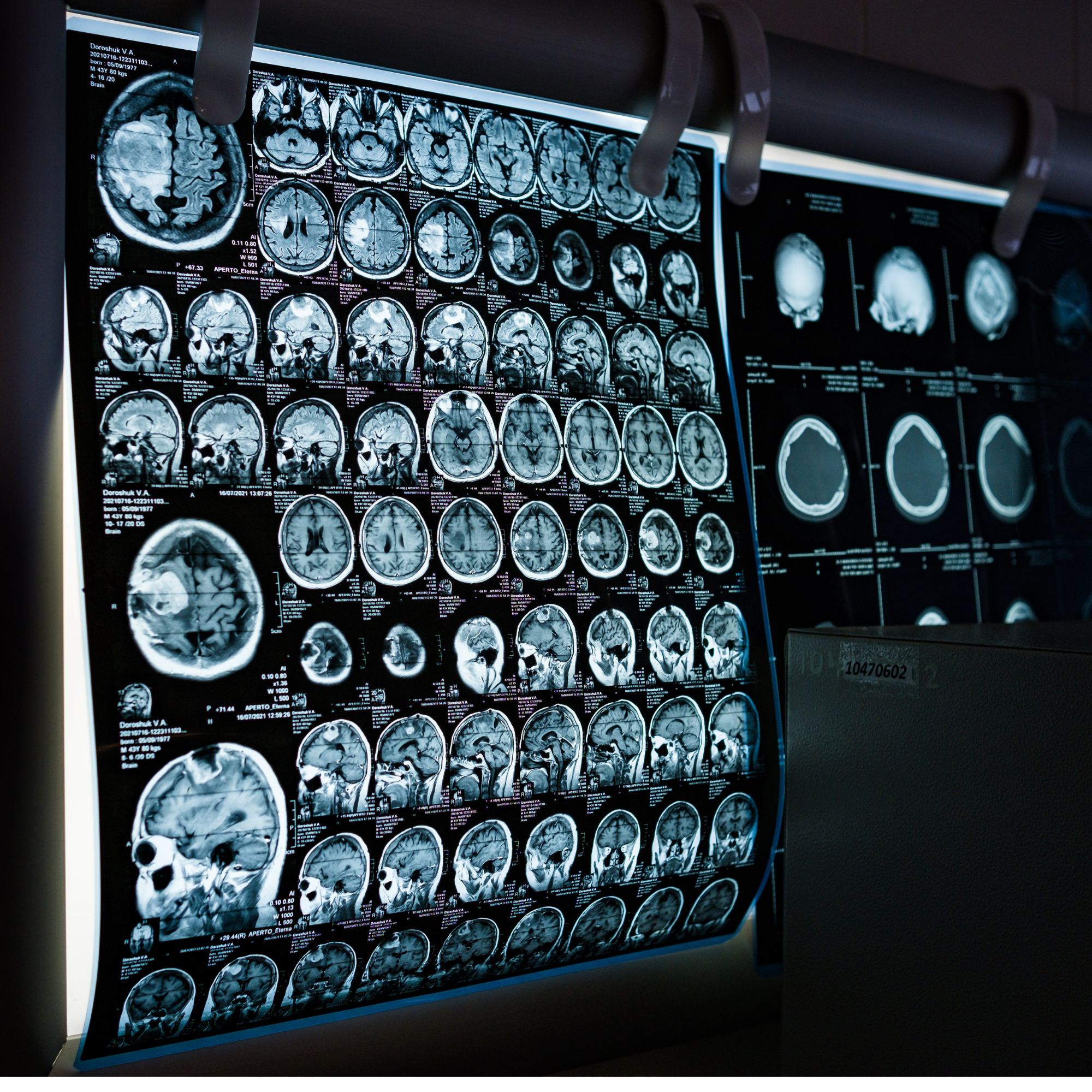
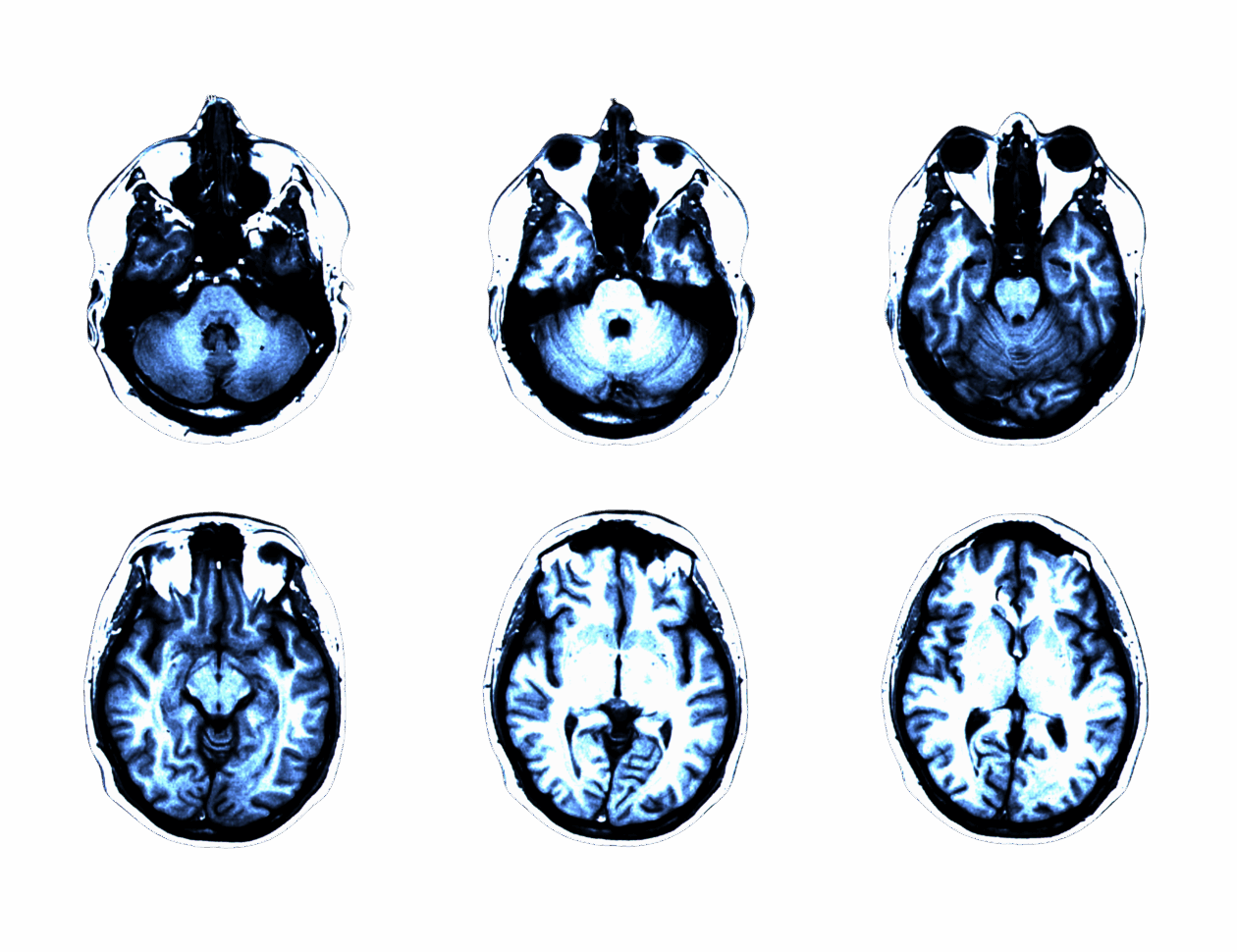
At Neurawave, this process begins with a qEEG brain mapping assessment that measures the brain’s electrical activity and analyzes how different brain regions communicate with one another.
The brain operates through electrical signals called brainwaves. These signals coordinate attention, reaction speed, emotional regulation, and cognitive processing. In high-performance environments like competitive sports, even small inefficiencies in these systems can influence performance.
A quantitative electroencephalogram (qEEG) records these signals across multiple regions of the scalp. By analyzing this data, practitioners can identify patterns that may be affecting how efficiently the brain processes information.
Rather than relying on guesswork, the brain map provides objective insight into how the brain is operating.
For athletes and high performers, this information can be incredibly valuable.
The brain map can help identify patterns such as:
- Inefficient communication between brain regions that may slow decision-making or coordination
- Overactive stress networks that can interfere with calm performance under pressure
- Attention regulation patterns that influence sustained focus during competition
- Cognitive fatigue signals that affect endurance and mental clarity
- Reaction-time bottlenecks that can slow responses in fast-paced environments
These patterns often remain invisible without measurement.
Two athletes may appear to have similar skill levels, yet one may consistently react faster, stay calmer under pressure, or maintain focus longer during competition.
In many cases, these differences are related to how efficiently their brain networks are operating.
Brain mapping helps reveal those differences.
At Neurawave Brain Training, this data becomes the starting point for a structured brain optimization process guided by the N.E.U.R.O.™ brain optimization protocol, which includes neural mapping, personalized neurofeedback training, reassessment, and long-term lifestyle integration. Neurawave Rack Card High Resolu…
This structured framework ensures that training is built around the athlete’s unique brain activity patterns rather than a one-size-fits-all program.
Once brain patterns are identified, neurofeedback training can begin.
Through neurofeedback brain training, athletes receive real-time feedback about their brain activity. Sensors placed on the scalp read electrical signals from the brain while visual or auditory feedback helps the brain learn how to produce more efficient patterns.
Over time, this training helps strengthen neural systems responsible for:
- attention and focus
- reaction speed
- decision-making under pressure
- emotional regulation during competition
- cognitive endurance during long games or events
Because the training is based on the athlete’s brain map, it can target the specific neural patterns that may be limiting performance.
For example, an athlete with excessive stress activation may benefit from training designed to stabilize calm attention networks. Another athlete may benefit from training that improves neural communication between motor planning regions and visual processing systems.
Without brain mapping, these distinctions would be difficult to identify.
That is why many experts consider brain mapping a crucial step in modern brain training programs.
It transforms the process from a generalized approach into a precision-based training strategy.
Athletes are no longer simply practicing harder—they are training the neural systems that control how quickly they think, react, and perform under pressure.
Families and athletes interested in learning more about Neurawave brain training programs often find that brain mapping provides the first clear insight into how cognitive performance influences physical performance.
By understanding how the brain processes information, reacts to stress, and coordinates movement, athletes gain a powerful advantage.
Because in high-level sports, the difference between good and elite performance often begins with how efficiently the brain operates behind the scenes.