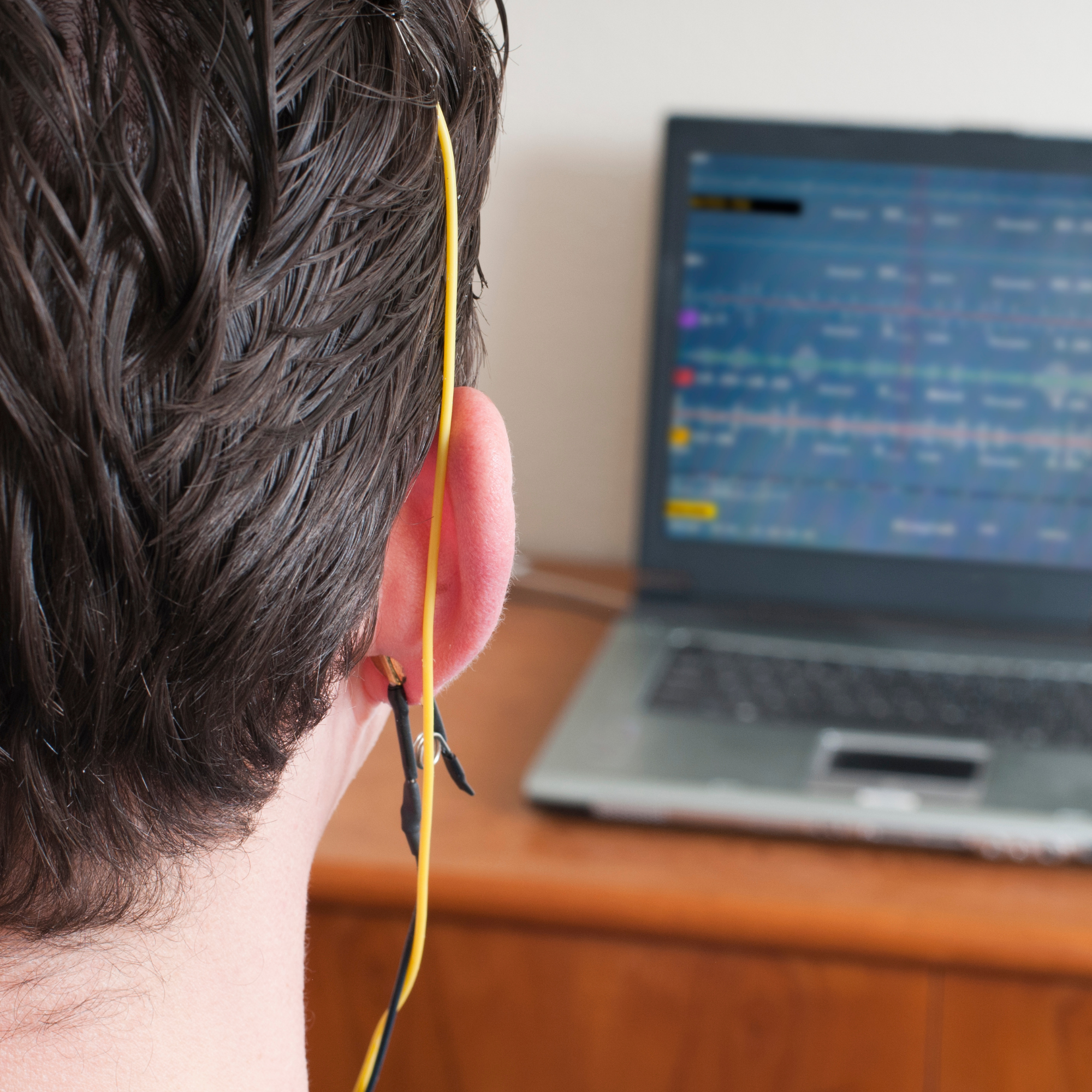
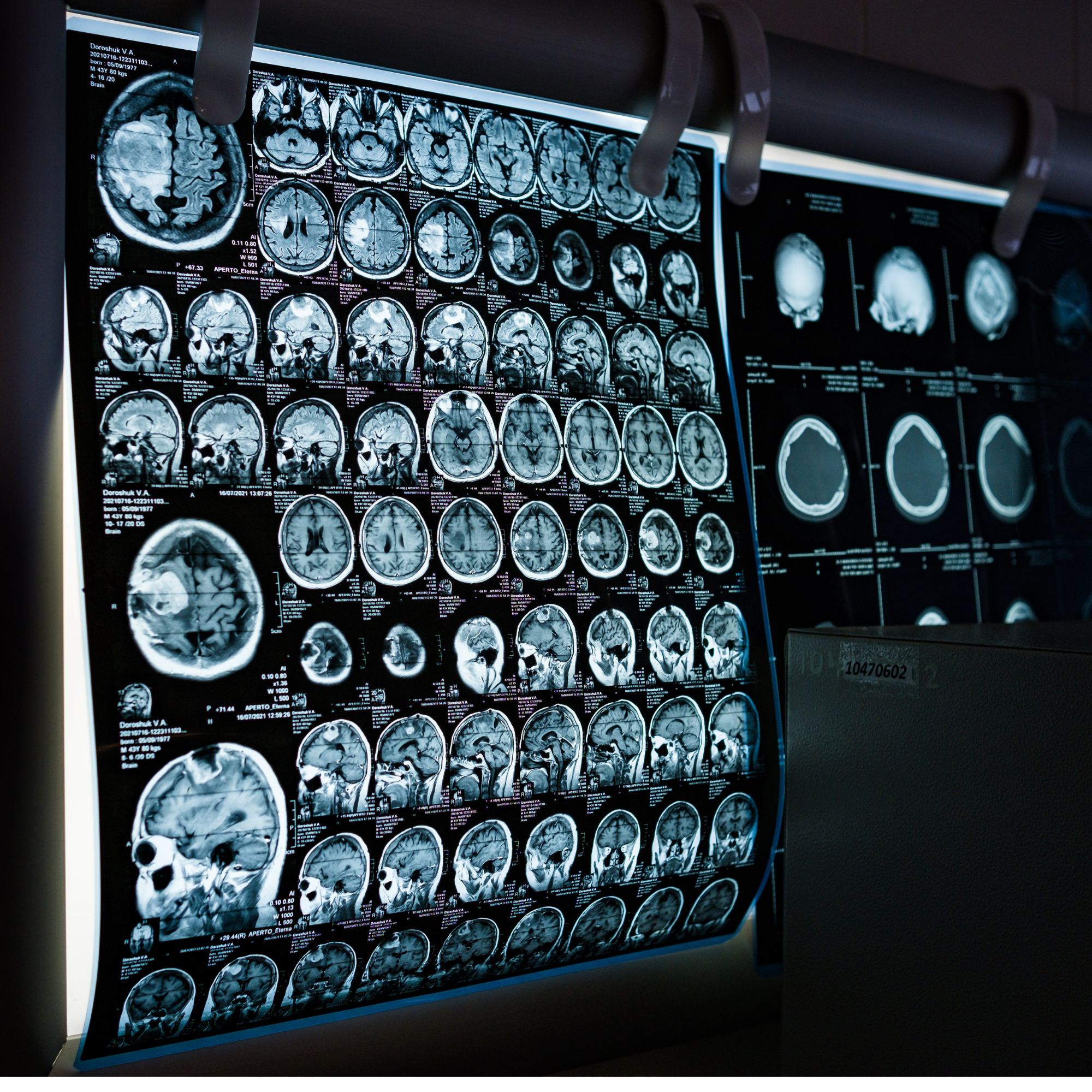
Quantitative EEG (qEEG) is a diagnostic tool that measures electrical activity in the brain and compares it to normative databases.
In individuals with ADHD, qEEG analysis often reveals patterns such as elevated theta activity or reduced beta activity.
These patterns provide insight into how the brain processes attention and cognitive control.
Research suggests that qEEG-guided neurofeedback protocols may improve treatment outcomes by targeting the specific brainwave patterns unique to each individual.
https://pmc.ncbi.nlm.nih.gov/articles/PMC12321976/
Using brain mapping allows clinicians to create personalized neurofeedback training programs that address the root neural patterns contributing to ADHD symptoms.