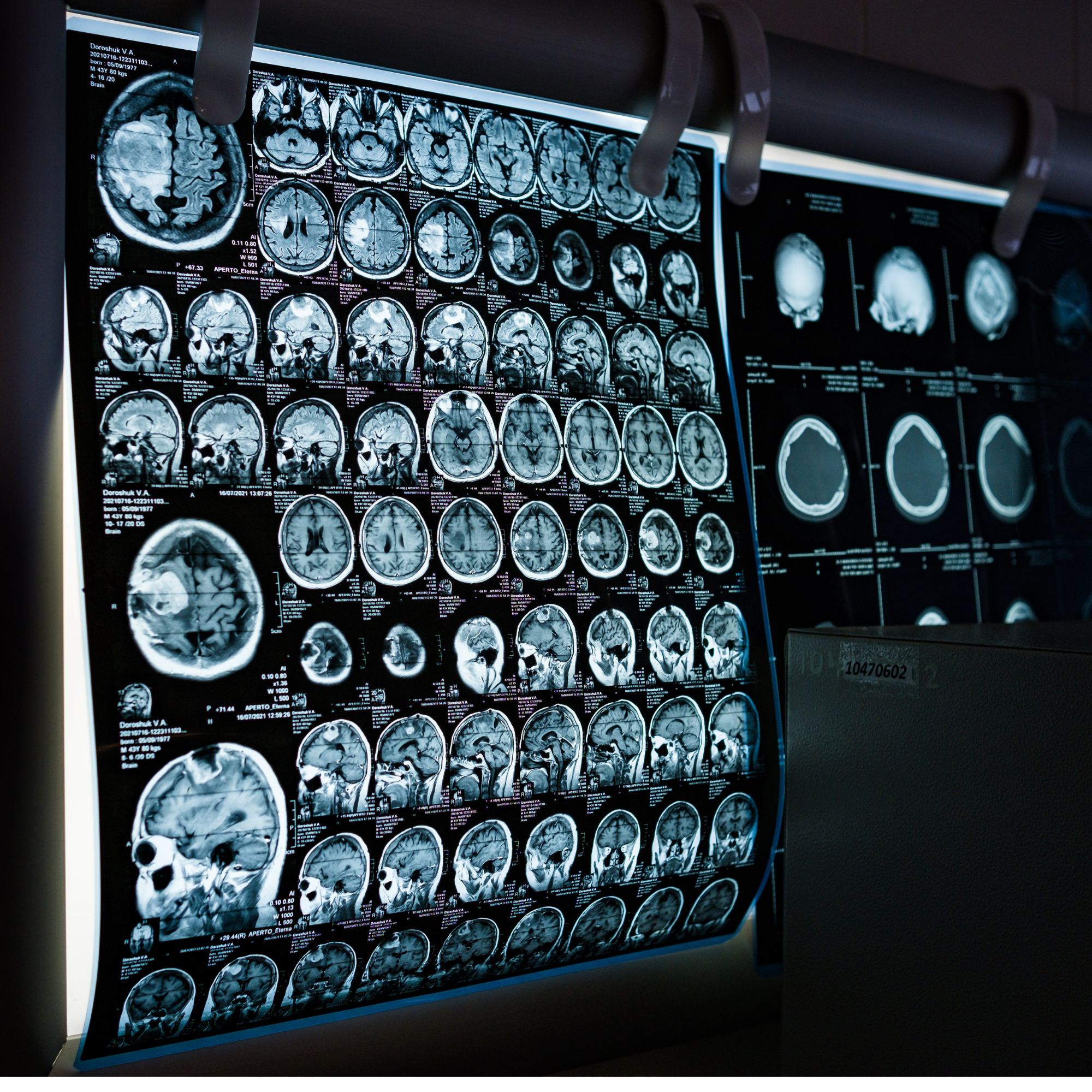

Once brain activity patterns have been identified through mapping, the next step is training the brain to regulate those patterns more effectively.
This is where neurofeedback training begins.
Parents who are unfamiliar with the process can start by exploring how neurofeedback brain training works and why it has become an increasingly discussed approach for improving attention, emotional regulation, and cognitive performance.
Unlike many traditional approaches that focus only on behavior, neurofeedback works directly with the brain’s electrical activity.
The brain communicates through electrical signals called brainwaves. These patterns influence how attention networks activate, how the brain responds to stress, and how effectively it can maintain focus during demanding tasks.
When those patterns are unstable or inefficient—as is often the case with ADHD—the brain can struggle to maintain consistent attention.
This is why many children with ADHD experience fluctuating performance.
They may focus very well one day and struggle significantly the next. They may be capable of deep focus during activities they enjoy but find it extremely difficult to stay engaged with tasks that require sustained effort.
Neurofeedback training aims to stabilize these patterns.
During a typical neurofeedback session, small sensors are placed on the scalp to measure brain activity. These sensors do not send electricity into the brain—they simply read the brain’s natural electrical signals.
As the brain produces different brainwave patterns, the system analyzes those signals in real time.
When the brain shifts toward patterns associated with improved focus and regulation, the system provides immediate feedback through visual or audio cues. This might appear as a video becoming clearer, a game responding more smoothly, or a sound indicating that the brain is moving into a more balanced state.
This feedback helps the brain learn.
The brain is constantly adapting and adjusting its activity. When it receives feedback showing that certain patterns are more effective, it gradually begins to repeat those patterns more often.
Over repeated sessions, this learning process can help stabilize the networks responsible for attention and regulation.
At Neurawave Brain Training, this process is guided through the N.E.U.R.O.™ brain optimization protocol—a structured system that begins with neural mapping, continues through adaptive neurofeedback training, and includes reassessment and lifestyle integration to support long-term improvement. Neurawave Rack Card High Resolu…
Through consistent training sessions, the brain begins strengthening several key neural systems that are critical for performance in school, work, and everyday life.
These systems include:
Sustained Attention
The ability to remain focused on a task without becoming easily distracted. This is essential for completing homework, following instructions, and staying engaged during class.
Emotional Regulation
The ability to manage emotional responses and recover from frustration or stress more quickly. Improved regulation can reduce emotional outbursts and help children handle challenges with greater resilience.
Cognitive Endurance
The ability to maintain mental effort over longer periods of time. Many children with ADHD experience mental fatigue during extended tasks, which can make assignments feel overwhelming.
Reaction Speed and Processing Efficiency
The speed at which the brain processes information and responds to changing situations. Improvements here can support both academic performance and athletic performance.
One of the most important aspects of neurofeedback is that it does not force concentration.
Instead, the brain gradually learns how to maintain healthier patterns on its own.
This is similar to how physical training works. Muscles become stronger through repeated practice and feedback. Over time, movements become smoother, faster, and more coordinated.
Brain training follows a similar principle.
Each neurofeedback session provides the brain with an opportunity to practice better regulation. As these patterns become more familiar, the brain becomes better at maintaining them throughout daily life.
For children and adults who struggle with attention challenges, this can lead to meaningful improvements in areas such as focus, emotional stability, and mental clarity.
Parents often notice changes gradually.
Homework may take less time. Emotional reactions may become easier to manage. Tasks that once felt overwhelming may become more approachable.
These improvements happen because the brain is learning how to regulate itself more effectively—not because attention is being forced externally.
For families seeking deeper insight into attention challenges, learning about Neurawave brain training programs and how neurofeedback supports focus, cognitive endurance, and emotional regulation can be an important step toward understanding how the brain can be trained to perform at its best.