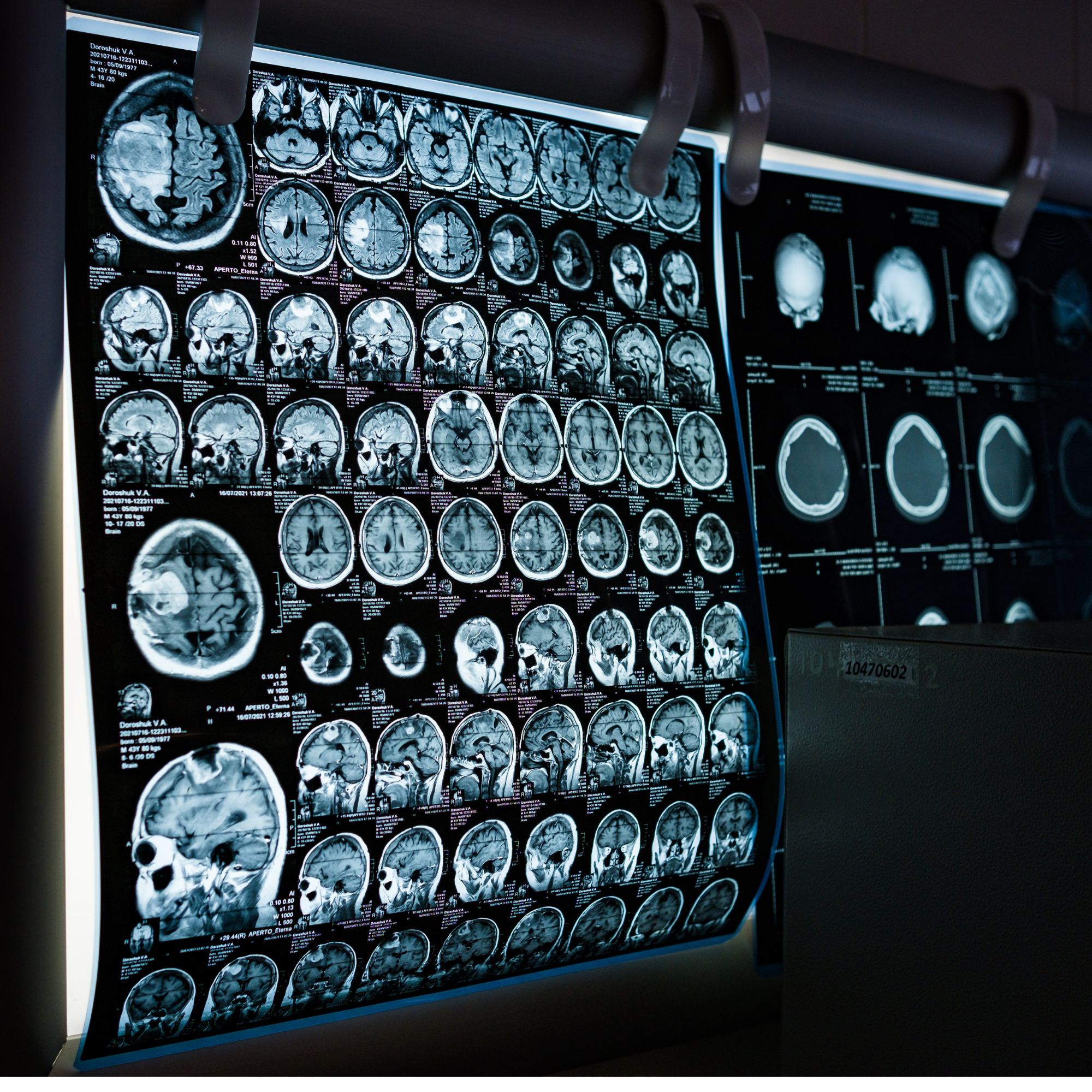

As interest in neurofeedback and brain training has grown, more clinics and programs have begun offering some form of neurofeedback services. However, one of the biggest differences between programs often comes down to how structured and personalized the training process is.
Neurofeedback is not simply about placing sensors on the scalp and running sessions. The brain is incredibly complex, and effective training requires a thoughtful, data-driven approach.
Without structure and proper evaluation, neurofeedback can become inconsistent or less effective.
That is why many leading brain training programs follow a clearly defined process that includes assessment, personalized training, and ongoing measurement.
At Neurawave Brain Training, this structured process is known as the N.E.U.R.O.™ Brain Optimization Protocol—a five-step framework designed to ensure that brain training is personalized, measurable, and continuously refined. Neurawave Rack Card High Resolu…
This approach helps ensure that training is guided by real brain data rather than guesswork.
Each step of the protocol plays an important role in helping individuals develop stronger attention networks, improved emotional regulation, and better cognitive performance.
Neural Mapping
The first step in the process is Neural Mapping, which begins with a detailed qEEG brain map and cognitive performance assessment.
Parents who want to understand the basics of this process can learn more about qEEG brain mapping and neurofeedback training and how these measurements help reveal patterns in brain activity.
A qEEG records the brain’s electrical signals across multiple regions of the scalp. These signals show how different brain networks communicate and how efficiently they regulate attention, emotion, and cognitive processing.
This step provides a baseline picture of the brain’s activity patterns and identifies areas that may benefit from training.
Evaluation
Once the brain mapping data is collected, the next step is Evaluation.
During this phase, practitioners analyze the brain data to identify specific patterns that may be contributing to symptoms such as:
- attention instability
- impulsivity
- emotional reactivity
- mental fatigue
- cognitive overload
Although two individuals may share the same diagnosis—such as ADHD—their brain activity patterns can be very different.
Evaluation allows practitioners to understand those differences and design a training strategy tailored to the individual brain.
Upgrade Through Neurofeedback
The third step is Upgrade Through Neurofeedback, where the actual brain training sessions begin.
During these sessions, sensors placed on the scalp measure the brain’s electrical activity in real time. These sensors simply read the brain’s signals—they do not send electricity into the brain.
As the brain produces different activity patterns, the neurofeedback system provides immediate feedback through visual or auditory cues.
When the brain shifts toward healthier patterns associated with improved attention and regulation, the system reinforces those changes.
Through repeated sessions, the brain begins to recognize and repeat these more optimal patterns.
This gradual learning process helps strengthen the neural systems responsible for focus, emotional regulation, and cognitive endurance.
Families interested in the details of the training process can explore how neurofeedback brain training works and why real-time feedback is such a powerful tool for improving brain regulation.
Reassessment
As the brain begins to adapt, the next step is Reassessment.
Additional assessments and performance tracking help measure progress over time.
This allows practitioners to see how brain activity patterns are changing and determine whether adjustments to the training protocol are needed.
Because the brain is constantly adapting, reassessment helps ensure that the training evolves along with the brain’s progress.
Rather than following a fixed program, the process remains flexible and responsive to the individual’s development.
Optimized Lifestyle Integration
The final step of the protocol is Optimized Lifestyle Integration.
Brain training is most effective when it is supported by daily habits that promote long-term brain health.
This may include strategies related to sleep quality, stress management, cognitive exercises, breathing practices, and other lifestyle factors that influence brain performance.
These supportive strategies help reinforce the progress made during neurofeedback sessions and encourage the brain to maintain healthier patterns over time.
Why Structure Matters
One of the biggest reasons neurofeedback programs vary in effectiveness is that not all programs follow a structured, data-driven approach.
When brain training begins with mapping, evaluation, and ongoing reassessment, the process becomes far more precise.
Progress can be measured.
Training can be adjusted as the brain adapts.
And families gain a clearer understanding of how the brain is improving over time.
This structured method is what allows brain training to move beyond guesswork and become a targeted process designed to strengthen the neural systems responsible for attention, emotional regulation, and cognitive performance.
For families exploring options for improving focus and brain health, learning about Neurawave brain training programs and the structured N.E.U.R.O.™ framework can provide valuable insight into how modern neurofeedback approaches are designed to produce measurable results.