Effective brain training requires more than simply placing sensors on the scalp and running a program.
Just like physical training, meaningful progress depends on having a structured process, measurable data, and individualized adjustments over time. Without those elements, it can be difficult to know whether the brain is actually improving or whether training is targeting the right neural systems.
That is why successful brain optimization programs rely on a clear framework.
At Neurawave, brain training programs are guided by the N.E.U.R.O.™ Protocol, a structured five-step system designed to ensure that training is based on objective data rather than guesswork.
The N.E.U.R.O.™ Method was developed to create a systematic pathway for improving brain regulation, cognitive performance, and emotional balance. Instead of applying the same program to every individual, the process focuses on understanding how each brain functions and adapting training accordingly.
This structure allows improvements to develop progressively over time while ensuring that each step is guided by measurable feedback.
The protocol includes five core stages.
1. Neural Mapping and Cognitive Assessment
The process begins with a detailed evaluation of how the brain is currently functioning.
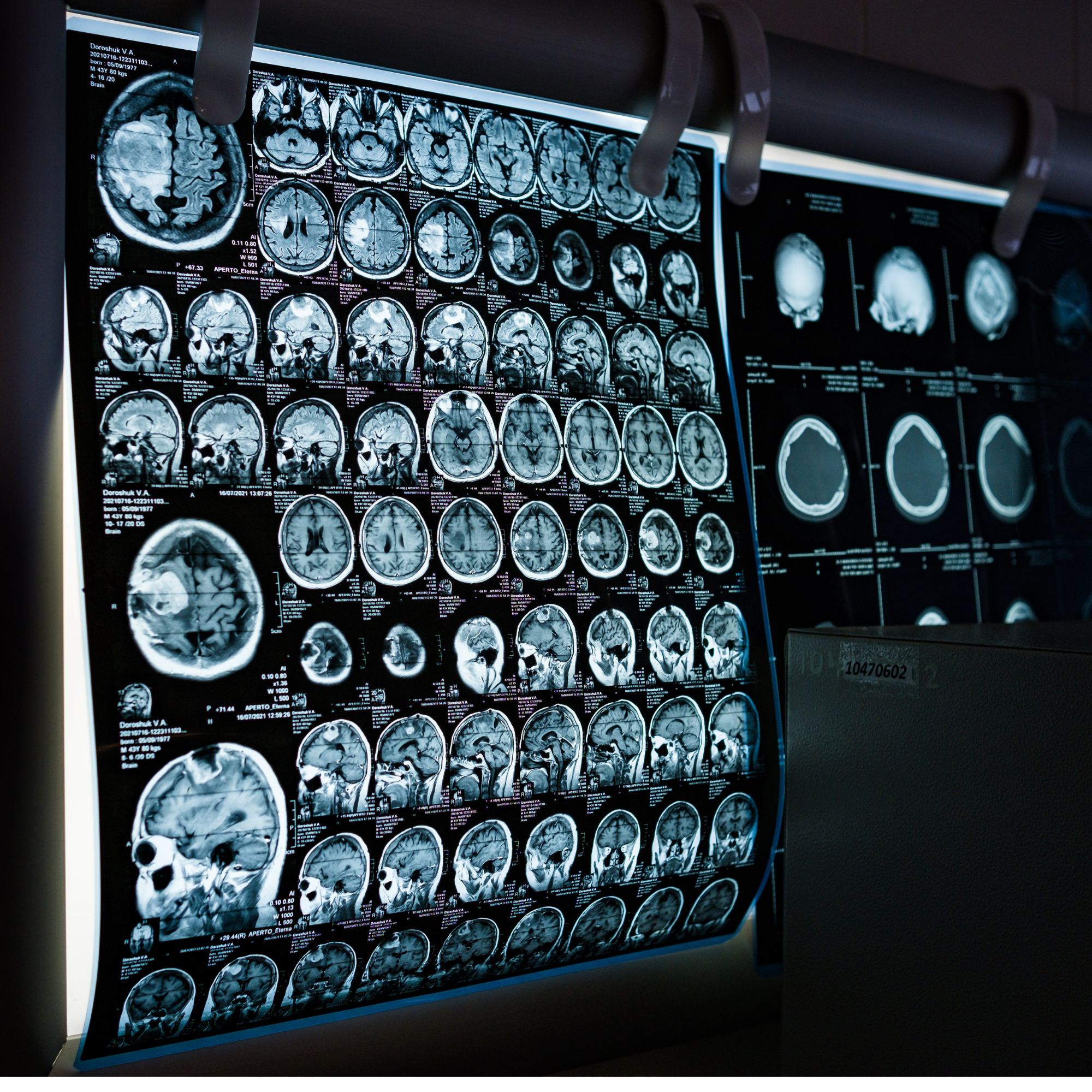
Through qEEG brain mapping and neurofeedback assessment, electrical activity across multiple brain regions is measured and analyzed. This brain map provides insight into how neural networks communicate, how efficiently attention systems operate, and whether stress or emotional regulation networks are overactive.
In addition to brainwave analysis, cognitive performance assessments may also be used to measure areas such as attention, processing speed, and reaction time.
This step creates a baseline understanding of the brain’s activity patterns, allowing clinicians to identify areas where regulation may be improved.
2. Evaluation and Customized Training Plan
Once brain mapping data is collected, the next step involves a detailed evaluation of the results.
Patterns within the brain map are analyzed to determine which neural systems may be contributing to symptoms such as attention difficulties, emotional dysregulation, cognitive fatigue, or stress sensitivity.
Because each brain is unique, this step is essential.
Two individuals experiencing similar symptoms may have very different neural activity patterns. One person may have overactive stress networks, while another may have inefficient communication between attention-related brain regions.
Based on this analysis, a customized neurofeedback training plan is created.
This plan targets the specific brainwave patterns and neural networks that can benefit most from regulation and training.
3. Adaptive Neurofeedback Sessions
Once training begins, neurofeedback sessions provide real-time feedback that helps the brain learn to regulate itself more effectively.
During these sessions, sensors placed on the scalp measure the brain’s electrical activity. These sensors do not send electricity into the brain—they simply monitor brainwave activity.
When the brain produces patterns associated with improved regulation, the system provides immediate feedback through visual or auditory cues.
Over repeated sessions, the brain begins to recognize and repeat these healthier patterns.
This adaptive learning process strengthens neural systems responsible for:
- sustained attention
- emotional regulation
- stress recovery
- cognitive endurance
- reaction speed
Because the training responds to real-time brain activity, the process continuously adapts as the brain improves.
4. Reassessment and Protocol Refinement
As training progresses, periodic reassessments are used to measure changes in brain activity and cognitive performance.
These reassessments allow clinicians to determine how the brain is responding to training and whether adjustments should be made to optimize results.
Just as a fitness trainer adjusts a workout program as the body becomes stronger, brain training protocols may be refined as neural systems develop improved regulation.
This ensures that progress continues and that training remains aligned with the brain’s evolving needs.
5. Optimized Lifestyle Integration
The final component of the N.E.U.R.O.™ Method focuses on helping individuals maintain long-term brain health.
While neurofeedback helps train neural regulation, lifestyle factors such as sleep, nutrition, stress management, and daily habits can also influence brain performance.
Integrating these strategies helps reinforce the gains made during training and supports long-term stability.
At Neurawave, this step emphasizes sustainable habits that allow individuals to continue benefiting from improved brain regulation long after formal training sessions are completed. Neurawave Rack Card High Resolu…
Building Progress Through a Structured System
The strength of the N.E.U.R.O.™ Method lies in its structured approach.
Rather than relying on generalized programs, each step is guided by measurable brain activity and ongoing evaluation. This ensures that brain training remains focused on the specific neural systems that influence attention, emotional balance, and cognitive performance.
Over time, these improvements can support better focus, stronger emotional regulation, improved stress resilience, and greater mental clarity.
Individuals interested in learning more about Neurawave brain training programs can explore how this structured protocol helps guide brain optimization in a systematic and data-driven way.
Because improving brain performance is not about quick fixes.
It is about helping the brain gradually learn healthier patterns of regulation, allowing focus, clarity, and emotional balance to develop in a stable and lasting way.