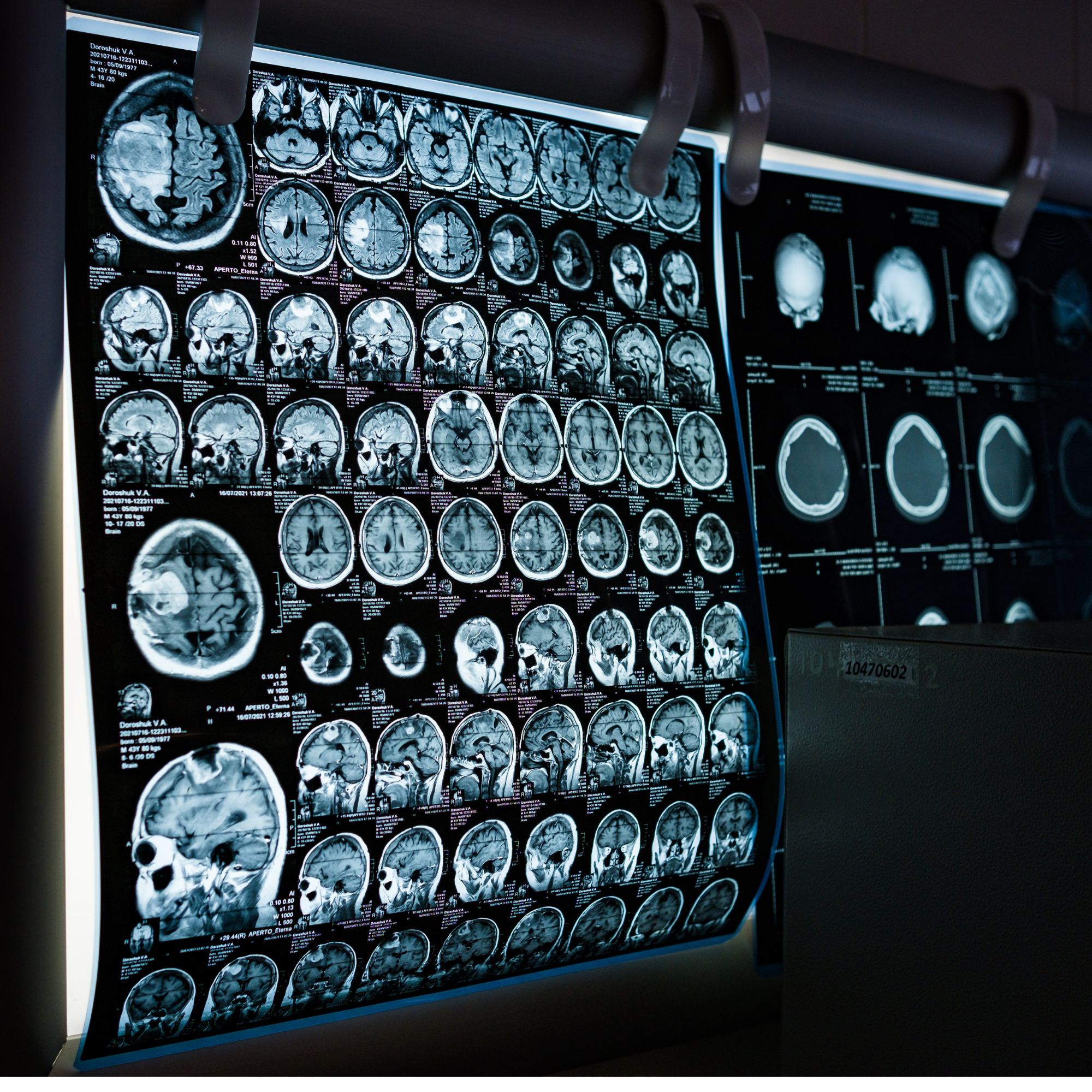

A brain injury can disrupt everyday thinking in ways that are often difficult to explain.
After a concussion or traumatic brain injury (TBI), many individuals notice that their brain simply does not feel the same as it did before. Tasks that once felt effortless may suddenly require much more effort. Concentration may fade quickly, memory may feel unreliable, and mental clarity may seem harder to access.
For many people, these changes can be frustrating and confusing.
Unlike a visible injury such as a broken bone, the effects of a brain injury are often invisible. Friends, coworkers, or family members may not fully understand why someone who appears physically fine is still struggling with thinking, focus, or emotional balance.
But these symptoms are real.
A concussion or brain injury can temporarily disrupt how the brain’s neural networks communicate with one another.
Even mild brain injuries can affect the delicate electrical systems that coordinate attention, memory, emotional regulation, and cognitive processing.
As a result, individuals recovering from a brain injury may experience symptoms such as:
- slower thinking or delayed mental processing
- mental fog or difficulty organizing thoughts
- trouble concentrating for extended periods
- persistent headaches or pressure sensations
- changes in mood or emotional sensitivity
- short-term memory challenges
These symptoms occur because the brain relies on complex networks of neurons communicating through electrical signals.
When a concussion or traumatic brain injury occurs, these communication pathways can become temporarily disrupted. Instead of information flowing smoothly between brain regions, signals may become slower, less synchronized, or inefficient.
This disruption can affect multiple cognitive systems at once.
For example, attention networks may struggle to maintain focus for long periods. Memory systems may have difficulty storing or retrieving information efficiently. Emotional regulation networks may become more reactive, leading to irritability or mood fluctuations.
Because these systems work together, even small changes in neural communication can influence many aspects of daily life.
Understanding how the brain has been affected is an important step toward recovery.
Through tools such as qEEG brain mapping and neurofeedback training, clinicians can measure the brain’s electrical activity and observe how neural networks are functioning after injury.
A qEEG brain map records electrical activity across different regions of the brain, providing insight into how efficiently those regions are communicating.
In individuals recovering from concussions or other brain injuries, brain maps may reveal patterns such as:
- reduced communication between brain regions
- overactivation in stress-related networks
- inefficient attention regulation patterns
- irregular brainwave activity associated with cognitive fatigue
These patterns can help explain why symptoms such as mental fog, slowed thinking, or difficulty concentrating occur after injury.
Rather than relying solely on subjective symptoms, brain mapping provides objective information about how the brain is functioning.
At Neurawave Brain Training, these insights guide a structured recovery process known as the N.E.U.R.O.™ brain optimization protocol, which begins with neural mapping, followed by customized neurofeedback training and periodic reassessment to monitor progress. Neurawave Rack Card High Resolu…
Once brain activity patterns are understood, neurofeedback training can help support the brain’s natural recovery processes.
During neurofeedback sessions, sensors placed on the scalp measure the brain’s electrical signals in real time. These sensors simply monitor activity—they do not send electricity into the brain.
When the brain produces patterns associated with improved regulation and efficiency, the system provides feedback through visual or auditory cues.
Over repeated sessions, the brain begins learning how to stabilize these healthier patterns.
This process helps strengthen neural systems involved in:
- sustained attention
- cognitive clarity
- emotional regulation
- mental endurance
- efficient neural communication
Because the brain has the ability to reorganize and adapt—a property known as neuroplasticity—training can help encourage more balanced neural activity over time.
For individuals recovering from brain injuries, this can support improvements in cognitive clarity and daily functioning.
Some individuals report that mental fog gradually lifts. Others notice that concentration becomes easier or that headaches occur less frequently as neural regulation improves.
In addition to neurofeedback, recovery programs may also include strategies designed to reduce stress on the brain and support long-term brain health.
Programs such as anxiety and stress reduction brain training can help calm overactive stress systems that sometimes develop after brain injury.
By stabilizing these systems, the brain may be better able to focus energy on healing and rebuilding efficient neural communication.
Recovery from concussion or traumatic brain injury can take time, and each individual’s path may look different.
However, modern neuroscience continues to demonstrate that the brain remains capable of adaptation and recovery long after an injury occurs.
With the right support, many individuals are able to regain clarity, focus, and cognitive balance.
Families and individuals interested in learning more about Neurawave brain training programs can explore how brain mapping and neurofeedback support cognitive recovery by strengthening the neural systems responsible for attention, regulation, and mental performance.
Because healing from a brain injury is not only about resting the brain.
It is also about helping the brain relearn how to communicate efficiently, restoring the cognitive clarity that allows people to return to daily life with confidence and stability.