
For many families navigating ADHD, one of the most frustrating parts of the journey is uncertainty.
Parents often try multiple strategies—different school supports, behavioral approaches, tutoring, and medication—yet it can still feel like they are guessing at what their child actually needs.
The challenge is that most ADHD evaluations focus on behavior and symptoms rather than directly examining how the brain is functioning.
That’s why brain mapping can change the entire conversation.
At Neurawave Brain Training, the process begins with a qEEG brain mapping assessment designed to measure the brain’s electrical activity and identify how different brain regions are communicating.
A quantitative electroencephalogram (qEEG) records the brain’s electrical signals across multiple areas of the scalp. These signals reflect the brain’s activity patterns—commonly referred to as brainwaves.
Because the brain communicates through electrical signals, these patterns reveal important information about how efficiently attention, emotional regulation, and cognitive control networks are operating.
In simple terms, the qEEG helps answer an important question:
What is actually happening inside the brain?
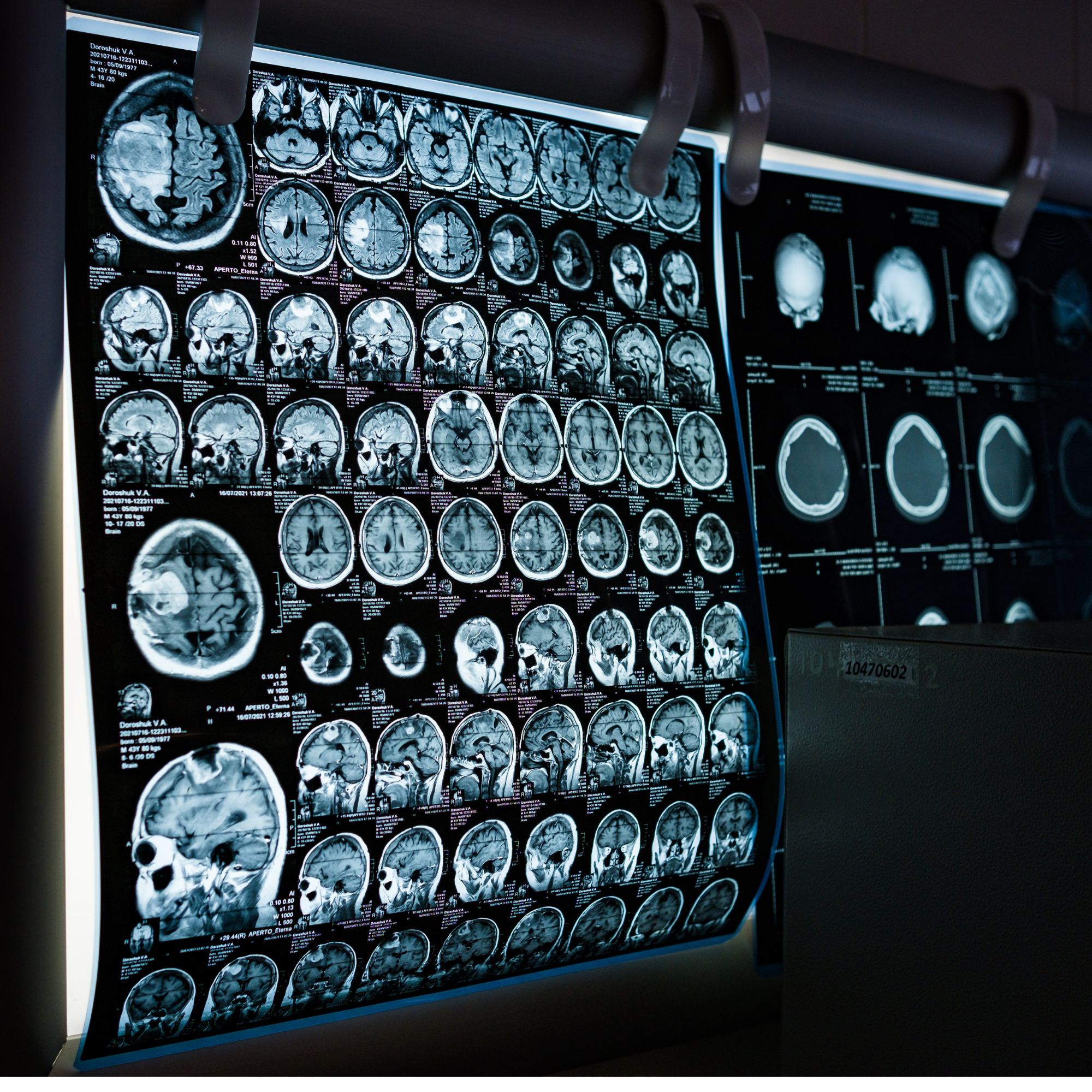
Instead of relying solely on behavioral observations, brain mapping allows practitioners to look directly at the brain’s activity patterns.
This can reveal valuable insights such as:
- Overactive brain regions associated with chronic stress, hyperarousal, or impulsivity
- Underactive attention networks that can affect focus, motivation, and mental clarity
- Connectivity challenges between brain regions that influence emotional regulation and executive function
- Patterns commonly associated with ADHD, anxiety, cognitive fatigue, or stress overload
When these patterns are visible, treatment becomes more targeted and personalized.
Rather than using a one-size-fits-all approach, practitioners can design a program that focuses on the specific networks that need strengthening.
At Neurawave, this information becomes the foundation for the N.E.U.R.O.™ brain optimization protocol—a structured system that begins with neural mapping, then builds a customized training plan using adaptive neurofeedback and ongoing reassessment. Neurawave Rack Card High Resolu…
This data-driven process helps ensure that brain training sessions are focused on the areas most responsible for the individual’s challenges.
For example, one child with ADHD might show patterns associated with excessive slow-wave activity in attention networks. Another might show patterns related to hyperarousal and stress regulation.
Although both children may share the same diagnosis, the underlying brain activity patterns can be very different.
Brain mapping helps reveal those differences.
That is why many clinicians see qEEG as an important step in creating more precise, personalized brain training programs.
But the value of brain mapping isn’t just clinical—it’s also educational for families.
For many parents, seeing their child’s brain map for the first time can be an eye-opening experience.
Instead of hearing general explanations about ADHD symptoms, they are able to see visual data showing how different parts of the brain are functioning.
This often helps answer questions that parents have been asking for years.
Why does my child seem capable one day and overwhelmed the next?
Why does focus disappear even when they want to succeed?
Why do emotional reactions happen so quickly?
Seeing the brain’s activity patterns can make these experiences easier to understand.
It can also reduce the sense of frustration or blame that sometimes develops when challenges are misunderstood as laziness or lack of effort.
When parents realize that attention and emotional regulation are connected to specific brain networks, the conversation shifts.
The focus moves away from “Why won’t they try harder?” and toward “How can we help the brain function more effectively?”
That shift can be powerful.
Instead of simply managing symptoms, families begin exploring ways to strengthen the underlying brain systems responsible for attention, regulation, and cognitive performance.
Through neurofeedback brain training, the brain can gradually learn to stabilize those patterns through repeated practice and feedback.
Over time, this can support improvements in focus, emotional regulation, and overall mental clarity.
For many parents, brain mapping provides something they have been searching for throughout their ADHD journey:
Clarity.
It offers a deeper understanding of how the brain is functioning and provides a roadmap for building a personalized training plan designed to help that brain perform at its best.
And for families who have spent years trying to understand why certain challenges keep appearing, that insight alone can be incredibly valuable.