One of the most important questions in ADHD treatment is whether improvements last after treatment ends.
Medication typically stops working once it leaves the bloodstream, requiring continuous use.
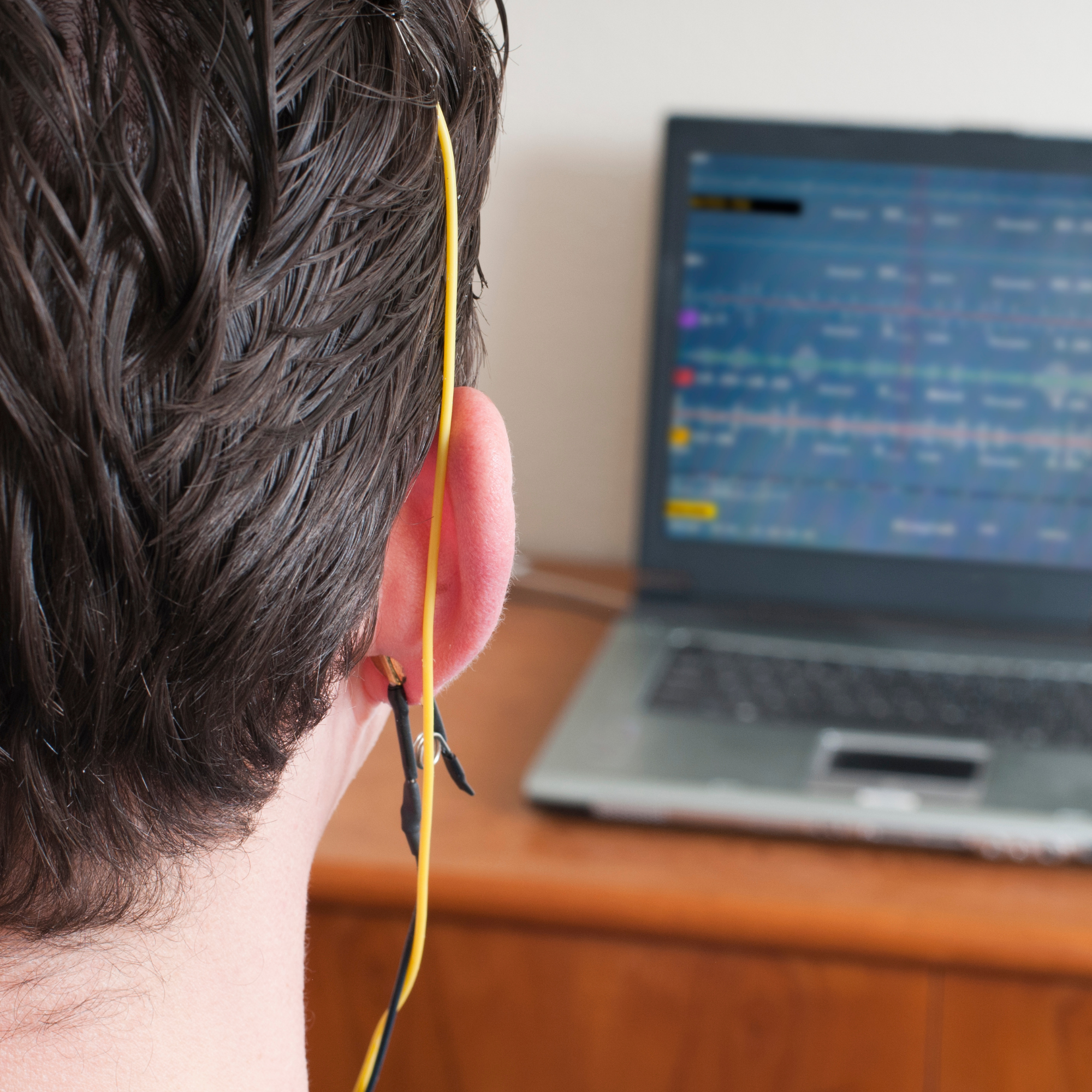
Neurofeedback, however, aims to produce lasting changes in brain function.
A systematic review and meta-analysis published in the European Child & Adolescent Psychiatry journal found that neurofeedback improvements in ADHD symptoms were maintained during long-term follow-ups months after treatment ended.
https://link.springer.com/article/10.1007/s00787-018-1121-4
Additional follow-up studies have confirmed sustained improvements in attention and impulse control for up to a year after training.
https://pubmed.ncbi.nlm.nih.gov/32853703/
These long-term benefits are believed to result from neuroplasticity — the brain’s ability to reorganize and strengthen neural pathways through repeated training.